Came Across This Strange Item at a Yard Sale… Any Idea What It Might Be? SEE BELOW 👀2
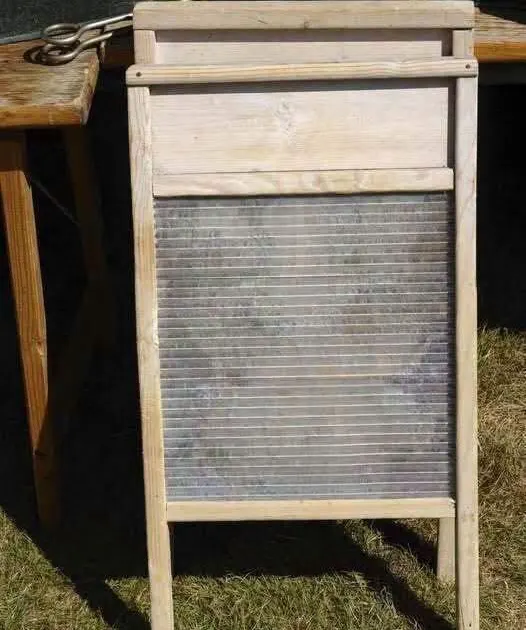
Its design was surprisingly simple but effective.Most models featured a sturdy metal frame,rotating rollers, and a hand-operated crank.Some were attached directly to wooden washingtubs, while others stood independently. Manywere made from cast iron, which explains whyso many have survived decades of storage inbarns, basements, and garages.
However, operating these machines requiredcaution. Fingers could become trapped betweenthe powerful rollers, making them particularlydangerous for curious children. Despite theserisks, families depended on them becausewashing and drying clothes without assistancerequired considerable time and strength.
As electricity became more widely available,automatic washing machines gradually replacedtraditional wringers. Laundry became faster,easier, and less physically demanding. Whatonce occupied an entire day could eventually becompleted with the push of a button. The oldmachines slowly became forgotten reminders ofdomestic life.
Today, antique laundry wringers attractcollectors, history enthusiasts, and peopleinterested in traditional craftsmanship. Somerestore them for display, while others continueusing them in rural households. Their durabilityand practical design demonstrate how earliergenerations valued equipment that could last fordecades rather than being quickly replaced.
Ultimately, an old laundry wringer is much morethan a forgotten household appliance. Itrepresents the hard work of parents andgrandparents, the countless hours spent caringfor families, and the everyday routines thatshaped previous generations. Every scratch andworn handle tells a silent story. Sometimes, themost ordinary objects offer the most fascinatingglimpse into the past.
This article is general information, not personal medical or financial advice. Talk to a qualified professional about your own situation.