12 Weird D!abetes Skin Signs You Should Know—Some May Surprise You
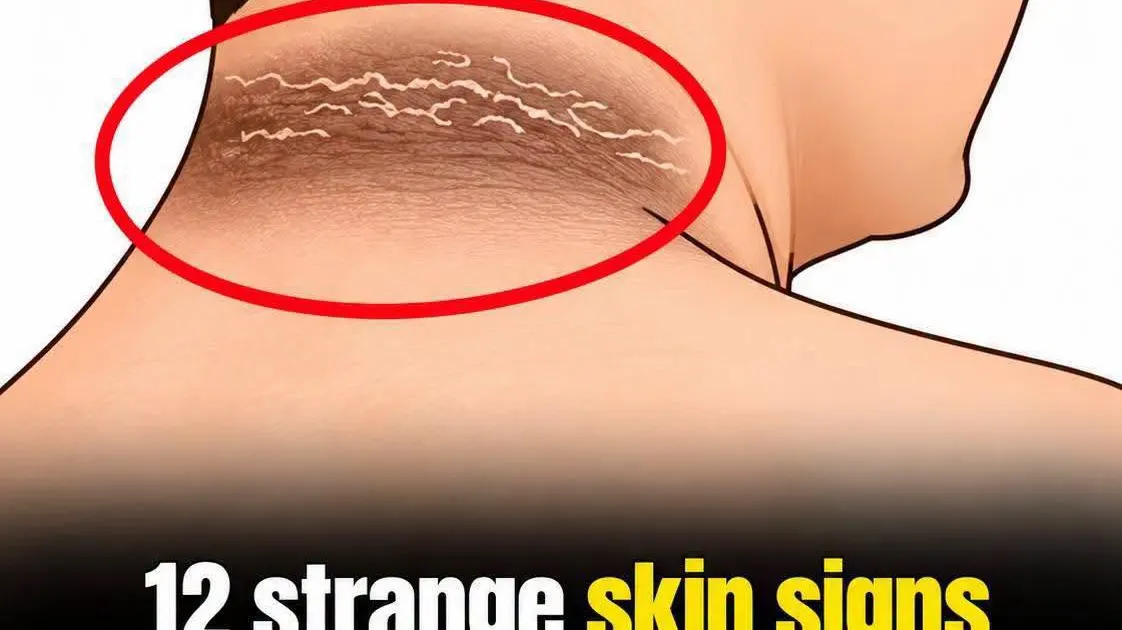
Persistent dry or itchy skin may also occur. High blood glucose can contribute to dehydration, while circulation problems and infections may worsen irritation. However, ordinary causes such as eczema, cold weather, harsh soaps, and frequent washing are often responsible.
Another possible change is diabetic dermopathy, which produces small, round or oval brownish patches, usually on the shins. Other discoloration patterns may result from inflammation, friction, previous injuries, or unrelated skin conditions.
Protecting skin health involves using gentle cleansers, moisturizing regularly, avoiding excessively hot showers, and paying attention to cracks or wounds, particularly on the feet. Skin growths should never be removed with unsterilized household tools because bleeding and infection may occur.
Importantly, none of these skin changes automatically confirms diabetes. Persistent symptoms, unusual thirst, frequent urination, unexplained weight changes, or recurring infections deserve medical attention. A healthcare professional can evaluate the skin and recommend appropriate blood glucose testing. Early recognition and proper care can help prevent complications and support long-term health.
This article is general information, not personal medical or financial advice. Talk to a qualified professional about your own situation.