Which Egg Came From The Healthiest Chicken? Pick 1, 2, Or 3 Before Reading The Answer! 🥚👇
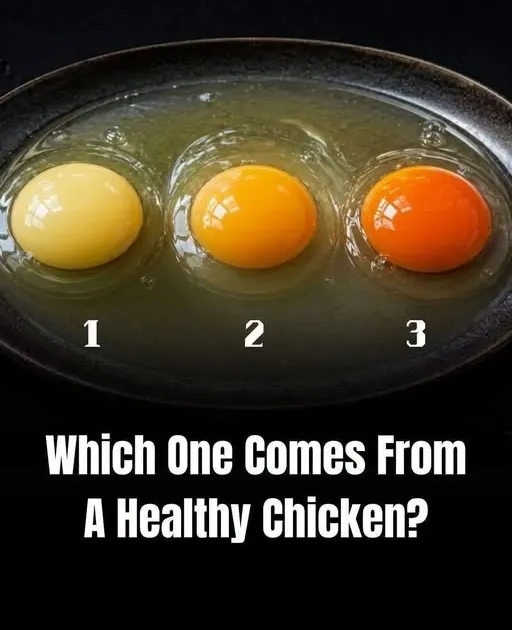
That rich, orange yolk you proudly pay extra for might not mean what you think. For years, we’ve been taught that a darker yolk automatically means a healthier, higher-quality egg. But the truth is more complicated.
Yolk color is influenced mainly by what the hen eats. Foods rich in carotenoids, such as grass, alfalfa, and marigold petals, can produce a deeper orange color. Certain feed additives can create a similar effect.
So while a bright orange yolk may look impressive, color alone cannot tell you how nutritious or healthy an egg is. A pale-yellow yolk isn’t automatically inferior, and a deep-orange yolk isn’t automatically better.
Eggs can provide important nutrients, including protein, vitamin B12, vitamin D, selenium, and choline, whether the yolk is pale yellow or vibrant orange.
What matters more is what you can’t necessarily see on your plate: the hen’s overall diet, farming conditions, hygiene, storage, and the egg’s freshness. These factors can matter far more than the shade of the yolk.
So next time you’re standing in the grocery aisle comparing cartons, don’t let yolk color make the entire decision for you. It can tell you something about the hen’s diet, but it doesn’t tell the whole story.
The most attractive yolk may simply be the one designed to catch your eye—not necessarily the one that offers the greatest nutritional value.
A colorful yolk can be appealing, but when it comes to choosing eggs, look beyond the color. The healthiest choice isn’t always the one that looks the most impressive.
This article is general information, not personal medical or financial advice. Talk to a qualified professional about your own situation.