Shoppers Walked Right Past This Strange Rusty Contraption at a Yard Sale—Until Older Generations Recognized Its Forgotten Purpose2
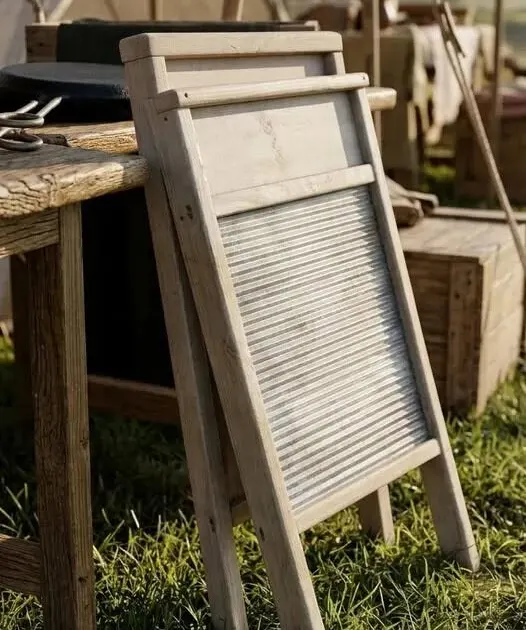
The mystery object is a classic antique laundry wringer—an essential household workhorse long before automatic washers and dryers existed. On traditional wash days, families had to soak, scrub, boil, and rinse heavy garments by hand before hanging them outdoors. Feeding wet fabrics between the wringer’s tight rollers squeezed out excess water in seconds, drastically cutting down drying times.
While its durable cast-iron engineering saved time and protected the physical health of exhausted homemakers, the mechanism demanded strict caution. Because the rollers gripped tightly, curious children had to be watched closely to prevent pinched fingers. Once residential electricity spread across the country, push-button washing machines slowly retired these manual cranks to dusty barns and basements.
Today, the truth behind their sudden viral popularity comes down to lasting craftsmanship and off-grid practicality. Antique collectors, historians, and rural homesteaders actively restore these near-indestructible machines because they require zero electricity and outlast modern disposable appliances. Every worn handle serves as a timeless tribute to the grit, resilience, and ingenuity of past generations.
This article is general information, not personal medical or financial advice. Talk to a qualified professional about your own situation.