I Found a Hidden Wall in an Old Warehouse—Hours Later, I Was Running for My Life
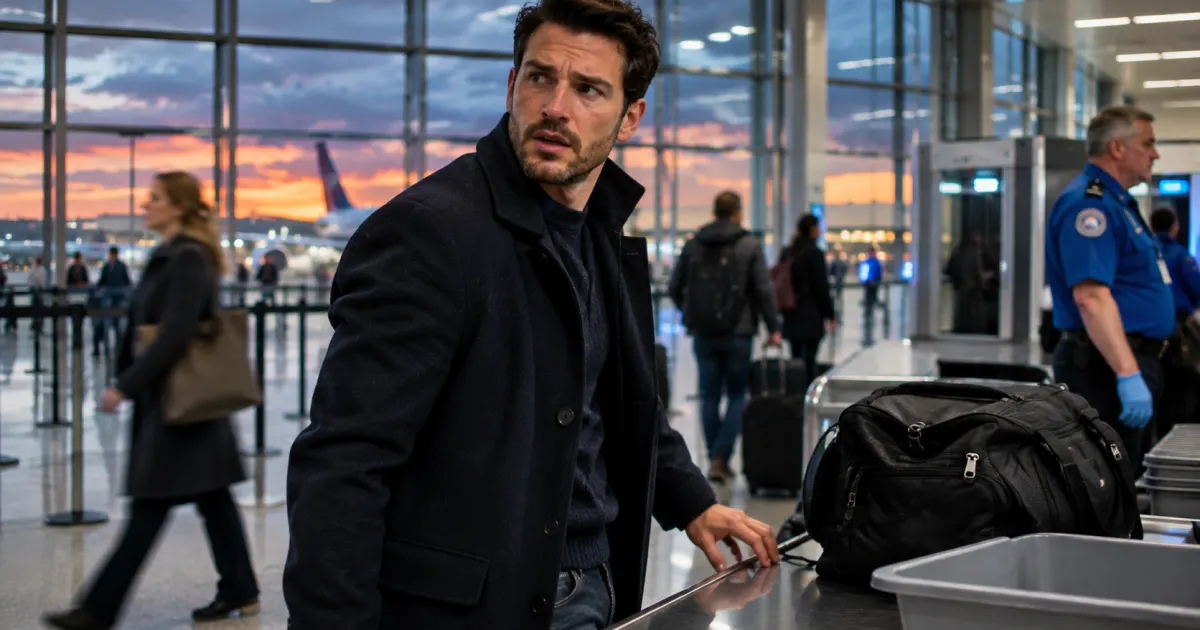
PART 2
My heart hammered against my ribs so violently I could barely speak. “I didn’t kill him,” I stammered, raising my hands in surrender. “Check the airport toll cameras! I’ve been on Interstate 16 since 4:00 PM!”
Special Agent Reyes didn’t arrest me immediately. Instead, they escorted me to an interrogation room deep inside the Atlanta terminal. For three hours, I laid out every single detail: Marcus’s sudden paranoia, the hidden wall in the Maritime Exchange, the ransacking of my apartment, and finally, the brass key.
I reached into the inner lining of my jacket and placed the heavy key on the metallic table.
Agent Reyes looked down at the serial stamp and exchanged an astonished glance with his partner. “Do you have any idea what this belongs to, Julian?”
“It says Harbor Trust,” I said. “A private bank that went under during the 1970s.”
Also readStep Inside This Restored Historic Tudor Estate—Where a Hidden Detroit Relic Stole the Show“Harbor Trust didn’t just go under,” Reyes replied, pulling open an encrypted tablet. “In 1974, thirty-two million dollars in bearer bonds, gold bullion, and offshore transaction records disappeared overnight when Harbor Trust collapsed. It was the largest unsolved financial embezzlement in Southern history. The lead cashier vanished into thin air. His name was Arthur Croft—Marcus Croft’s father.”
It all clicked like falling dominoes.
Marcus hadn’t made his fortune through brilliant real estate investments. He had been quietly buying up city-owned historic properties along the Savannah riverfront for twenty years, using architectural demolition permits as a cover to locate the lost caches his father had stashed before disappearing. The Maritime Exchange was the final stash house.
Marcus hadn’t been murdered by an outsider—he was betrayed by his own silent financial backer, a prominent city councilman and developer named Raymond Sterling. Sterling had financed Marcus’s shell companies and realized Marcus was planning to grab the vault’s contents and flee the country without sharing. When Sterling’s hired goons didn’t find the key in my ransacked apartment, they confronted Marcus at the docks. Things went violent, and they dumped Marcus’s body, leaving the brass key as the only missing link.
Instead of booking me, the federal team made a bold play. They knew Sterling was tracking my movements. They instructed me to walk out of the terminal, hail a designated airport cab, and pretend my flight was delayed.
Within thirty minutes, an unmarked black SUV pulled up behind my cab near the outer transit plaza. A man stepped out, tapped on my window, and shoved a suppressed pistol into the crack of the door. “Hand over Croft’s brass key, Vance, or you won’t make it to morning.”
Before the man could cock the hammer, three unmarked surveillance vans cut the SUV off, boxing him in. Tactical agents swarmed the vehicle, tackling the gunman to the asphalt.
Inside the gunman’s jacket pocket was an encrypted burner phone receiving active texts from Raymond Sterling himself, demanding confirmation that the vault key had been secured.
By sunrise, federal marshals raided Sterling’s private estate on Skidaway Island. Inside the secret vault of the Maritime Exchange, behind that crumbling false wall, investigators uncovered eight steel crates containing over $45 million in gold bars, vintage jewelry, and pristine bearer bonds, completely untaxed and hidden for fifty years.
Two weeks later, the City of Savannah awarded me a formal commendation and a whistleblower reward totaling $1.2 million for recovering public assets. I resigned from commercial restoration and bought an independent conservation studio right by the coast. The historic district kept its heritage—and for the first time in fifty years, the ghosts of the Old Maritime Exchange were finally put to rest.
This article is general information, not personal medical or financial advice. Talk to a qualified professional about your own situation.