I Found a Hidden Wall in an Old Warehouse—Hours Later, I Was Running for My Life
PART 1
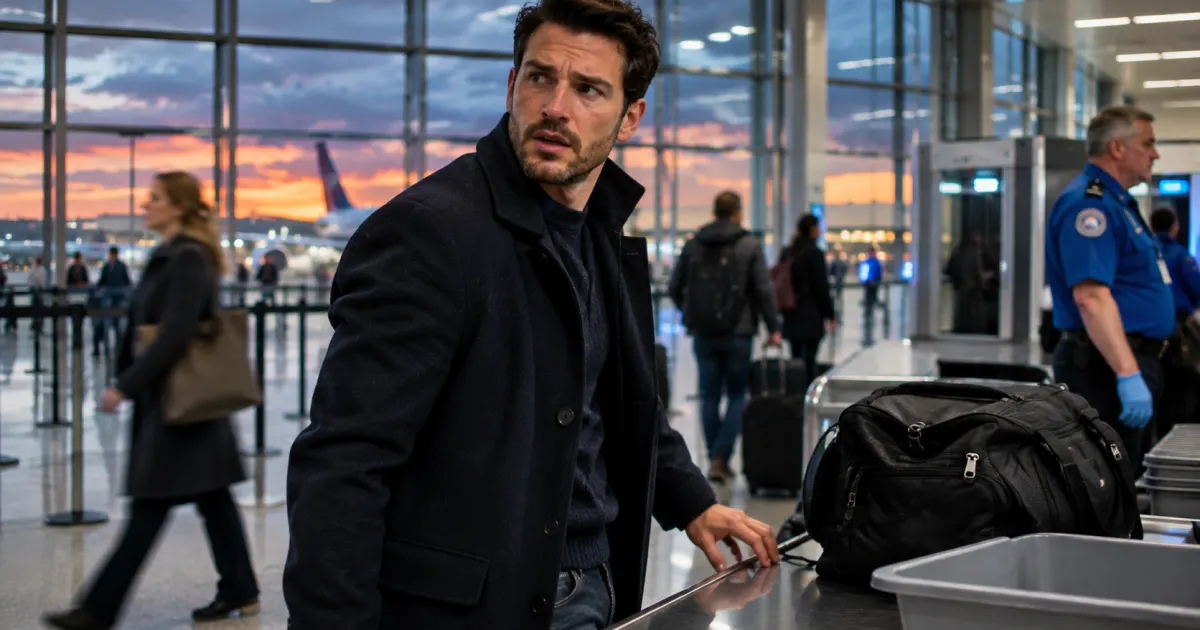
When airport security pulled me out of the boarding line for a flight to Zurich, I didn’t think about my passport—I thought about the antique brass key sitting at the bottom of my carry-on bag.
My name is Julian Vance, and for eight years, I was the chief architectural restorer for the historic district of Savannah, Georgia. Three months ago, our firm was contracted to renovate the basement archives of the Old Maritime Exchange, an 1880s brick warehouse that had been locked since the waterfront fires of the 1970s.
My boss, Marcus Croft, was a man whose smile never reached his cold blue eyes. He made his fortune buying derelict historic properties and flipping them into luxury condominiums, often cutting corners and ignoring historical preservation codes. From day one on the Maritime project, Marcus was acting strangely. He took away the master blueprints from the site office and told my crew we were strictly forbidden from breaking through a brick partition wall at the eastern corner of the lower vault. He claimed the structural pillars behind it were unstable and could bring the entire foundation down into the marshland.
Being an experienced structural engineer, I ran thermal scans on my own after hours. The wall wasn’t holding load-bearing beams at all. It was an artificial double-wall built around 1968.
Last Tuesday, while Marcus was out of town at a fundraising gala, I stayed late. Using an endoscopic camera drill, I slipped a fiber-optic lens through a tiny gap between the crumbling mortar. What appeared on my tablet screen sent chills down my spine: stacked industrial shelving filled with steel safety deposit boxes, waterproof nautical crates, and a brass ledger open on a rusted table.
Also readA Small Discovery Between the Sofa Cushions Left Me Completely StunnedI didn’t steal anything. But on the floor right inside the gap lay a heavy brass mortise key with a stamped serial number: VAULT 04 – HARBOR TRUST. I pulled it through the opening using an magnetic retrieval tool, intending to verify if the bank box belonged to the historical registry before reporting it to state preservation officers.
The next morning, Marcus was waiting by my car in the parking lot. He didn’t look angry; he looked terrified.
“Julian,” he whispered, stepping uncomfortably close. “Did you stay in the vault after seven last night?”
I lied and said I was home by six. He nodded slowly, handed me a sealed envelope with a five-thousand-dollar cash bonus, and told me to take a two-week paid vacation immediately. “Go visit Europe. Relax. You’ve earned it,” he said.
That night, my apartment was completely ransacked. Whoever tore through my place didn’t touch my electronics, my watch collection, or my emergency cash. They tore apart my bookshelves, ripped through my files, and slashed open my couch cushions. They were looking for the key. Luckily, I had hidden it inside the lining of my leather work jacket in the trunk of my car.
Terrified for my safety, I immediately booked a red-eye flight from Atlanta to Zurich to disappear for a few weeks until I could figure out what to do.
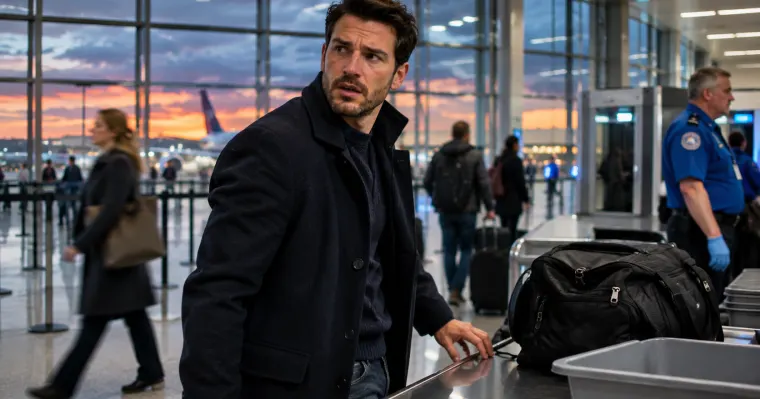
Now, standing in the bright neon lights of the international terminal screening area, two federal agents in dark suits flanked the TSA officer holding my carry-on. The taller agent stepped forward, showed his badge, and leaned in close.
“Julian Vance? Step out of line. Marcus Croft was found dead in the Savannah river basin two hours ago, and your fingerprint was the only one on his car door.”
THE STORY CONTINUES ON THE NEXT PAGE… 👇👇👇
This article is general information, not personal medical or financial advice. Talk to a qualified professional about your own situation.