I Almost Threw Away My Breakfast After Seeing This Inside an Egg
Like many people, I begin most mornings with a simple routine. A cup of coffee, a quick breakfast, and a few quiet moments before the day begins. On this particular morning, nothing seemed unusual. I walked into the kitchen, opened the refrigerator, and grabbed a carton of eggs. My plan was straightforward: make a couple of fried eggs and get on with the day.
Get Writing Tools
As I cracked the first egg into a bowl, something immediately caught my attention.
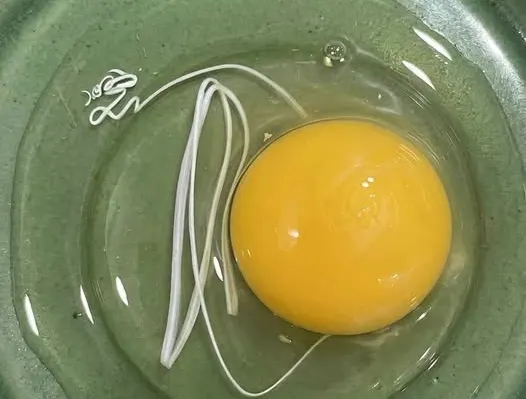
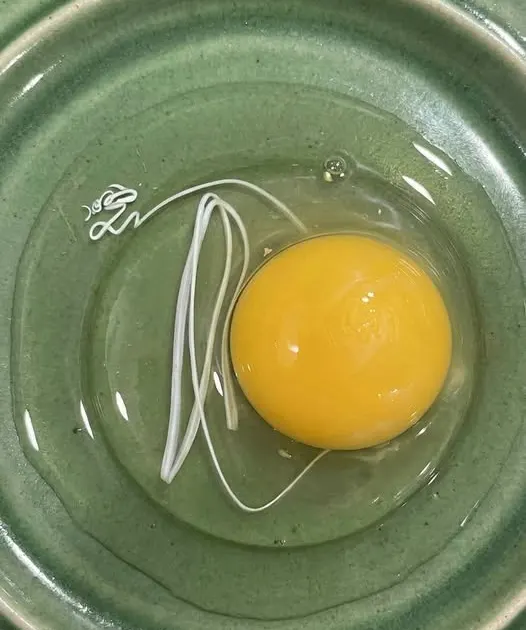
Floating beside the yolk was a thin, white strand that looked different from anything I remembered seeing before. It stretched through the egg white like a tiny cord, standing out against the otherwise familiar appearance of the egg. At first glance, it seemed unusual enough to stop me in my tracks.
I leaned closer to inspect it.
Also readThis Remote Alaska Town Is Slowly Being Swallowed by the Ocean—and Its Official Deadline Has Already PassedThe more I looked at it, the more questions I had. Was it supposed to be there? Had I simply never noticed it before? Was the egg still safe to eat? The unexpected discovery transformed what should have been an ordinary breakfast into a moment of uncertainty.
Anyone who cooks regularly has probably experienced something similar. Most of us are familiar with the appearance of eggs, but occasionally we encounter something that looks unusual enough to make us pause. Because food safety is important, even small surprises can trigger concern.
Get Writing Tools
I set the bowl down and continued examining the egg.
The white strand appeared attached near the yolk and seemed thicker than the surrounding egg white. It wasn’t moving, but it looked distinct enough that I began wondering whether there might be a problem. The possibility that something could be wrong with the egg immediately crossed my mind.
Instead of cooking it right away, I decided to investigate further.
I opened the carton and carefully checked the remaining eggs. One by one, I cracked a few into separate bowls. To my surprise, most looked perfectly ordinary. Some appeared to contain a smaller version of the same white structure, while others showed almost no visible trace of it at all.
That discovery only increased my curiosity.
Why was it so obvious in one egg and barely noticeable in the others? Was this normal variation, or was it a sign of something else? The unanswered questions convinced me to pause breakfast and do a little research.
Before searching online, I took a photograph of the egg.
Over the years, many people have developed the habit of photographing unusual food discoveries before seeking answers. A picture makes it easier to compare observations with information found online, and it provides a useful reference when asking questions in forums or discussion groups.
Learning this immediately eased my concerns.
What had looked strange at first turned out to be a normal feature that many people simply overlook. Because most eggs are cooked without close inspection, it’s easy to miss details that become obvious only when an egg is cracked into a bowl under good lighting.
As I continued reading, I discovered another interesting fact.
The visibility of the chalaza can actually tell you something about freshness. Generally speaking, the more prominent and firm the chalaza appears, the fresher the egg is likely to be. Over time, natural changes occur inside the egg, and these structures can become less noticeable.
In other words, the feature that initially worried me was often considered a positive sign.
That realization completely changed my perspective.
Only a short time earlier, I had been debating whether to throw the egg away. Now I understood that what I was seeing was not evidence of spoilage or contamination but a normal component of a fresh egg.
The experience reminded me how easy it is to become concerned when encountering something unfamiliar in food.
THE STORY CONTINUES ON THE NEXT PAGE… 👇👇👇
This article is general information, not personal medical or financial advice. Talk to a qualified professional about your own situation.