Why This Common “Upside-Down” Home Detail is Actually a Genius Electrical Design
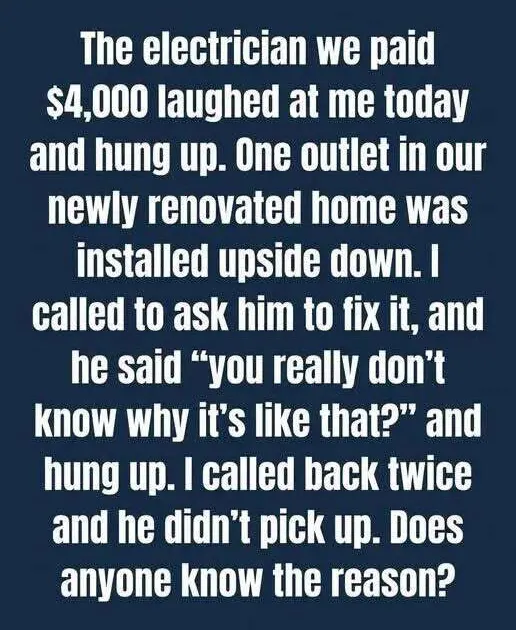
The fascinating truth is that installation habits vary widely depending on regional building trends, commercial safety preferences, and individual contractor routines. While flipping a receptacle upside down is a popular visual indicator for a switched outlet, some builders do it purely for safety. Having the ground prong at the top helps prevent fallen metal objects from bridging live prongs and creating a hazard.
Consequently, you cannot rely entirely on visual appearance to know if a receptacle is controlled by a wall switch. In many newer properties, an inverted outlet operates just like any standard continuous-power socket, while an upright outlet might secretly be wired to a switch across the room. This lack of standardization can complicate simple tasks like plugging in appliances or arranging your living room lighting.
Fortunately, the fastest and safest way to uncover the truth about your specific outlets requires zero specialized tools or costly inspections. Simply plug a standard table lamp into both the top and bottom sockets, then flip every nearby wall switch to see how they respond. Understanding this smart residential wiring quirk will save you from unnecessary troubleshooting and help you map out your home’s energy flow with absolute confidence.
This article is general information, not personal medical or financial advice. Talk to a qualified professional about your own situation.