Why That Milk Jug Dent Exists — The Secret You Never Noticed
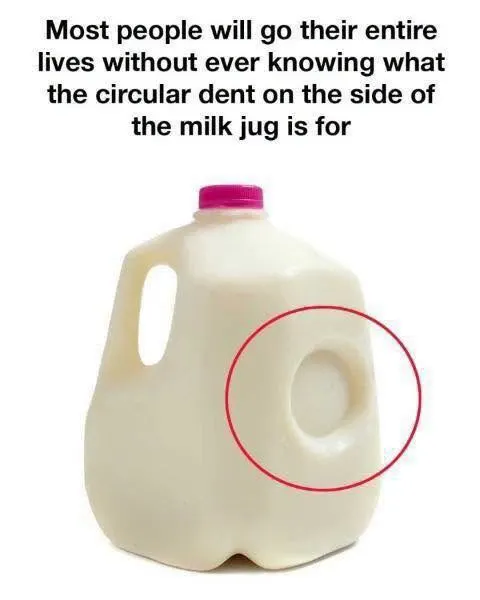
The indentation acts as a “flex zone,” allowing the jug to expand or contract slightly without splitting, keeping your milk contained and reducing leaks. It also absorbs impact. Accidental drops are common in busy kitchens, and the small indentation softens the force of a fall, preventing cracks and spills. This improves durability and extends the jug’s usability, saving you from messy accidents.
The dent contributes to sustainability as well. By reinforcing the structure, manufacturers can use less plastic without sacrificing strength. It also makes empty jugs easier to crush for recycling, reducing space in bins and improving transport efficiency. Some brands even incorporate logos or measurement markers into the indentation, combining practicality with convenience. Next time you grab a milk jug, take a moment to appreciate that tiny detail. It prevents spills, supports recycling, and ensures your groceries stay safe—proving that even ordinary household items can reflect thoughtful, practical design.
This article is general information, not personal medical or financial advice. Talk to a qualified professional about your own situation.