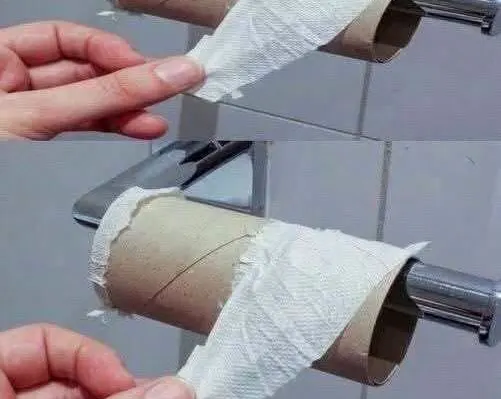
Toilet paper will soon disappear find out what it will be replaced by. 🚽🧻
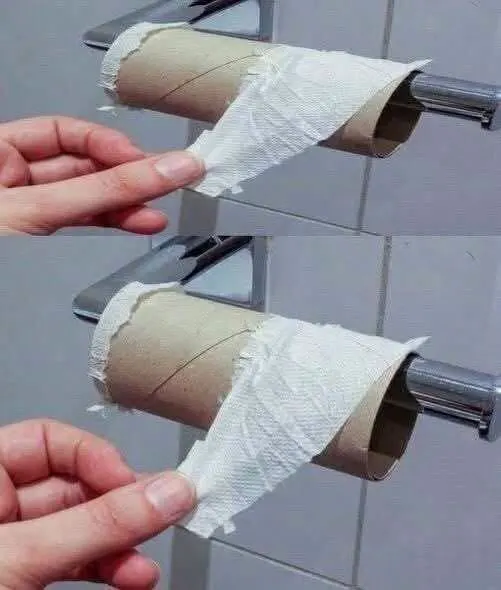
For generations, almost no one questioned the ritual. We reached for the roll without thinking, tore off a few sheets, used it, flushed it away, and replaced it when it ran out. It became such a normal part of everyday life that few people ever stopped to consider its true cost. But now, the bathroom essential that has defined modern hygiene for decades is facing growing scrutiny. Behind every soft sheet lies a much larger story involving forests, enormous amounts of water, industrial energy consumption, and mountains of waste. As awareness grows, a quiet revolution is unfolding inside homes around the world—one bidet installation, one eco-conscious purchase, and one daily habit at a time. The era of unquestioned dependence on toilet paper may be entering an entirely new chapter.
What is taking place in bathrooms today is far more than a passing home improvement trend. It reflects a broader shift in the way people think about consumption, sustainability, and personal responsibility. Many households are beginning to realize that convenience often comes with hidden environmental costs that remain invisible until someone chooses to look more closely. Toilet paper has long been marketed as the gold standard of cleanliness, yet the resources required to manufacture, transport, package, and dispose of it tell a much more complicated story than most consumers ever imagined.
Each roll begins long before it reaches a supermarket shelf. Millions of trees are harvested every year to satisfy global demand for paper products, while vast quantities of fresh water and electricity are consumed during manufacturing. Chemicals used to bleach and soften the paper add another environmental burden, and transportation across thousands of miles contributes additional carbon emissions before the product ever reaches a bathroom. When viewed one roll at a time, the impact seems insignificant. Multiplied by billions of households, however, the environmental footprint becomes enormous.
For years, these realities remained largely out of public conversation because the routine felt too ordinary to question. Like many everyday conveniences, toilet paper simply blended into daily life. Few people considered that an item used for only a few seconds would require so many natural resources to produce. Today, environmental awareness has encouraged consumers to examine even their smallest habits, and many are discovering that seemingly insignificant choices accumulate into meaningful environmental consequences over time.
THE STORY CONTINUES ON THE NEXT PAGE… 👇👇👇
This article is general information, not personal medical or financial advice. Talk to a qualified professional about your own situation.