A Remarkable Cloud Formation Sparked Widespread Curiosity—Here’s the Science Behind It
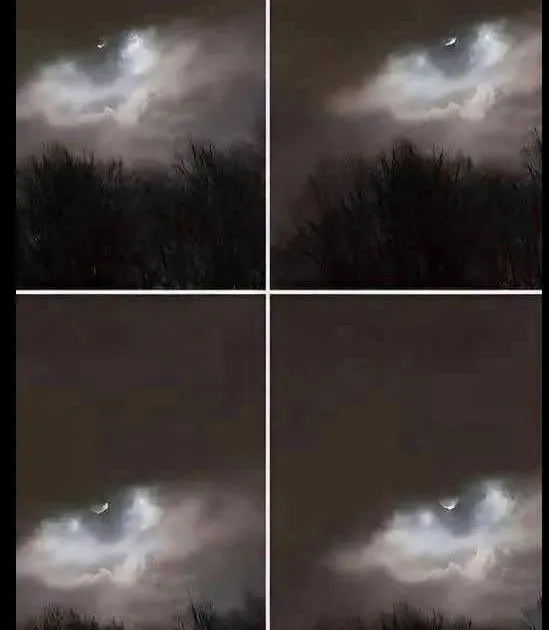
Scientists have long understood why this happens. The human brain naturally looks for recognizable patterns, even when viewing random objects. This psychological phenomenon, known as pareidolia, explains why people often see faces in clouds, animals in rock formations, or familiar shapes in everyday objects. It is a normal part of how our minds process visual information.
Track Weather
The cloud itself likely formed through completely natural atmosphericconditions. Weather experts explain that unusual cloud formations can develop when temperature, moisture, wind direction, and air pressure combine in specific ways. Depending on the environment, these conditions can create clouds with striking textures and shapes that appear almost artistic.
Track Weather
Cloud types such as lenticular, mammatus, and wave clouds are excellent examples of nature producing extraordinary sights. Although they may seem mysterious at first glance, each has a well-understood scientific explanation. Their unique appearance is the result of changing weather patterns rather than anything unusual beyond Earth’s atmosphere.
Even with scientific explanations available, remarkable photographs often continue to capture public attention. Images that stand out visually encourage discussion because every viewer brings a different perspective. Personal experiences, imagination, and cultural influences can all shape how someone interprets the same scene.
Try Science Kits
Photography has always played an important role in preserving these brief moments. A cloud formation may last only a few minutes before changing shape or disappearing completely. Thanks to modern cameras and smartphones, these temporary displays can now be shared with millions of people around the world within moments.
This article is general information, not personal medical or financial advice. Talk to a qualified professional about your own situation.